
“If there is no dull and determined effort, there will be no brilliant achievement.”
—Hsun-tzu, Chinese Philosopher
Journals are considered a collection of private materials, as it includes the vast ideas and imagination of the owner. Journals are used for a variety of purposes, such as for note taking, jotting down dreams, and making sense of life’s complications and promises (like a diary).
For writers, we have lucked out in that journals can be used for these things and much more! Keeping a writing journal is a commitment, but it does open up a condensed space upon which a writer can brainstorm ideas, record deep thoughts and feelings, sketch out the way characters look or a storyboard, or jot down outlandish ideas.
There is no one way to record in a journal. Most writers, however, aim to write by hand whenever possible, so there minds are not boggled by the white screen of a Word processor. Nevertheless, there are online outlets and apps for the tech-reliant writers.
Outside of just writing about story ideas, writers may also use their paper as a space to write for twenty minutes a day or to compose daily challenges. Sometimes other agenda items are also stored, as to help a writer determine what part of their date to dedicate to writing.
It is important to know that there are no rules when it comes to journaling. As long as you have commitment in your heart and a pen in hand, there is nothing that can stop you from practicing the art of journaling. But, if you are unsure of where to begin, I have included a slideshow to give you ideas and clarity about starting the traditional journaling process:
Gallery of Journaling:
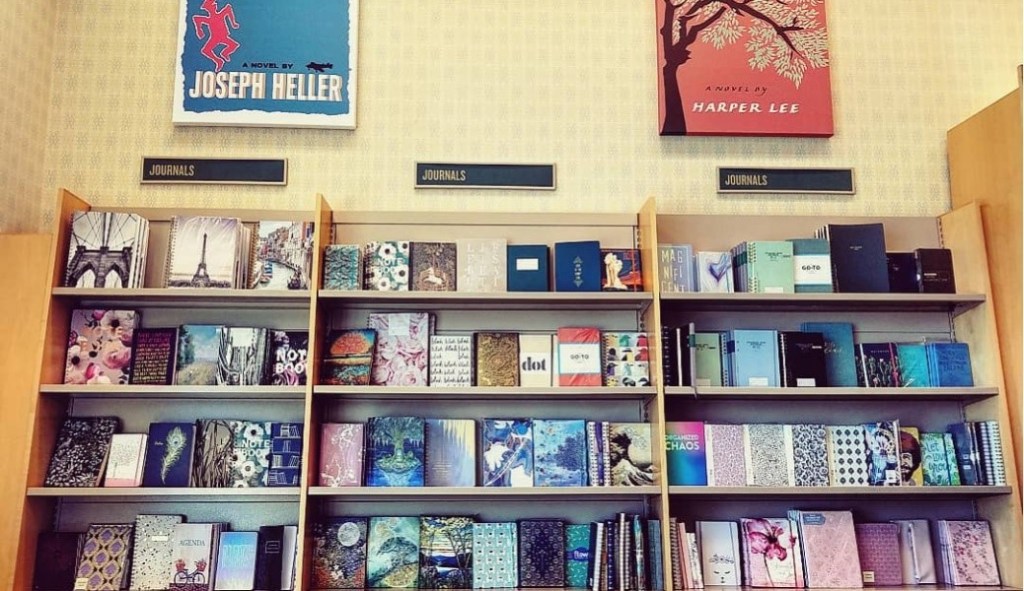
Finding A Source For Journals:
Visit your local book store or grocery store to find a notebook that speaks to you.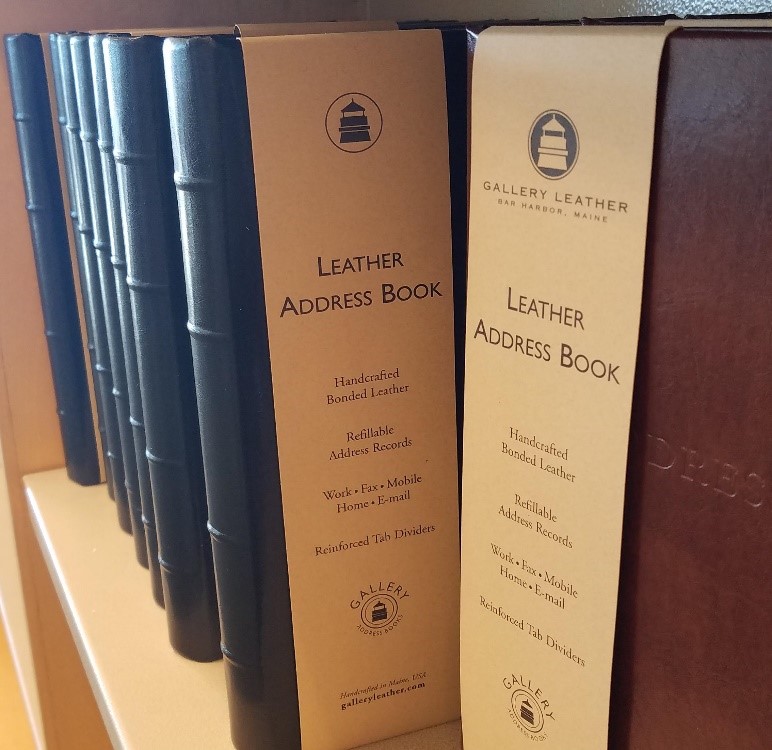
Selecting A Journal:
Work can be done in a spiral notebook, but those with better binding can protect your work.
Pro Tip: Don’t accidentally purchase an address book.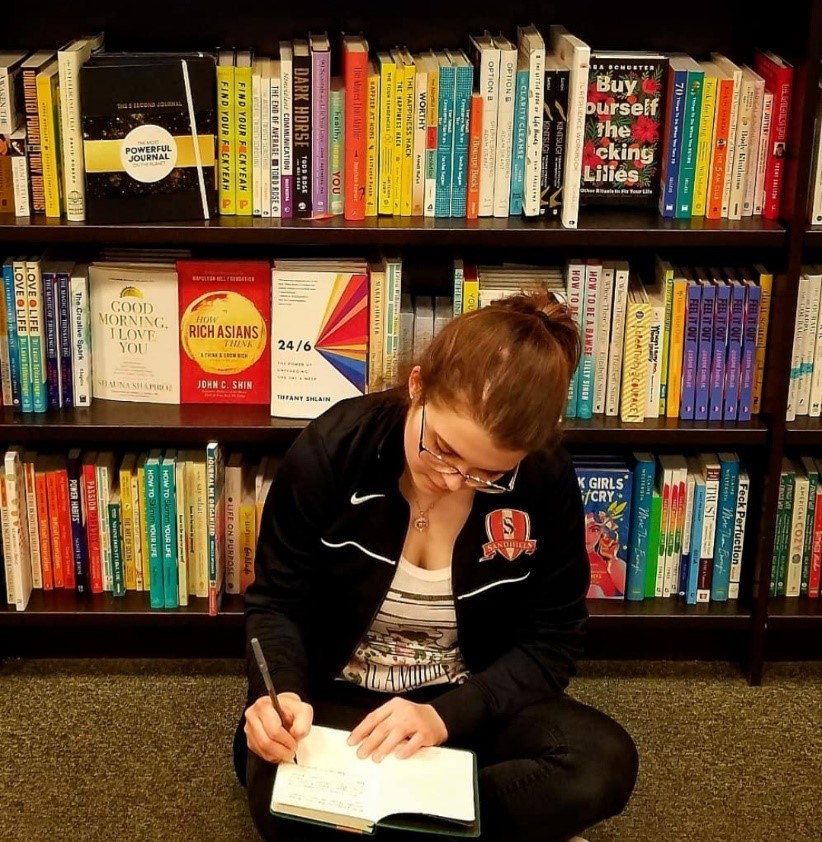
Write Down Your Revelations:
Surround yourself in an atmosphere that submerses you in creativity and inspiration.
Use It as a Brainstorming Session:
Choose a topic or think about your novel and take the time to jot down your ideas.
Pro Tip: Consider sitting in a productive atmosphere, like a coffee shop or cafe.
Record Your Thoughts and Feelings:
Use this space to let out emotions and frustrations (Perhaps for life or for the sake of fiction)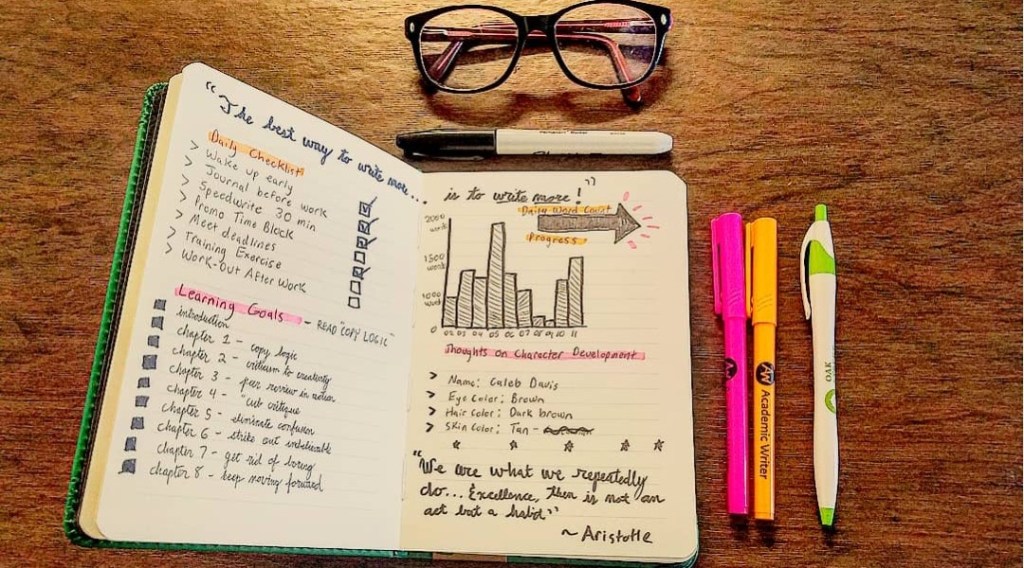
Organize Your Journal:
Make sure you map out/sketch/write content that are easy to access later.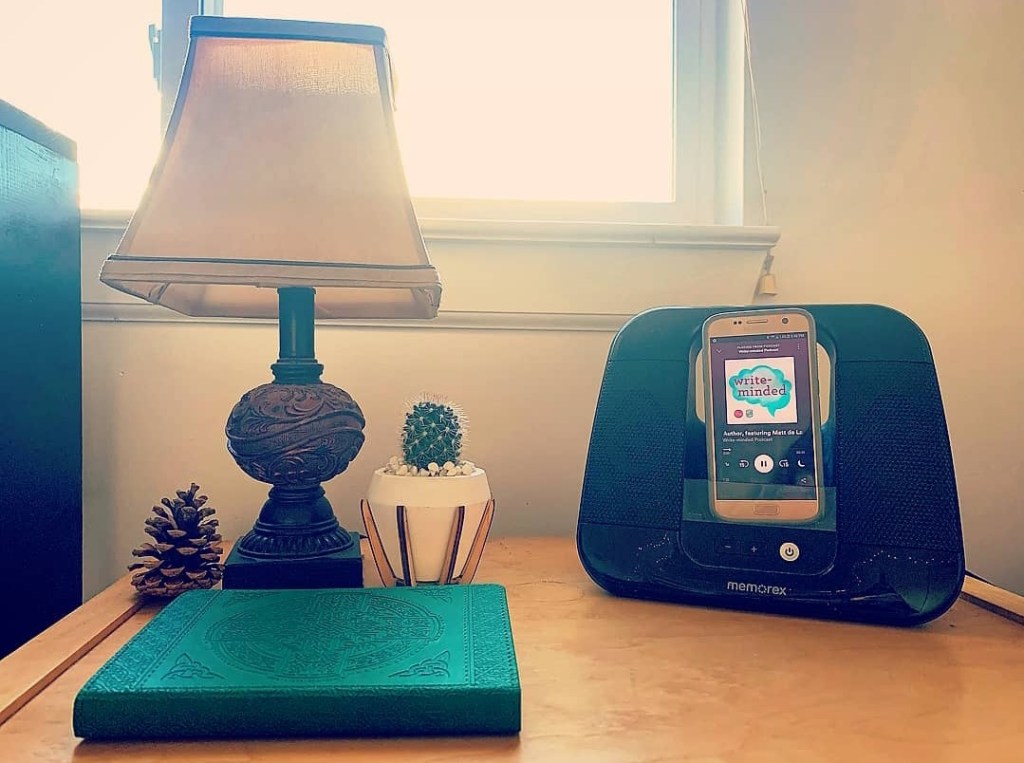
Keep Your Journal in a Special Spot:
Keep in a spot you will remember it each day, or place your private work somewhere secret.

 The Writer's Desk
Hi, Dr. O here. Great job! This was an excellent first post. I’m invested in the blog and the subject.…